Cornwall 4th of July
I began volunteering shortly after moving to Cornwall, eventually became a committee member, and gave my time to the celebration for approximately 15 years.
I’m not running to control Town Hall. I’m running to ask questions, examine the numbers, challenge assumptions, listen to residents, and vote for what I believe is in Cornwall’s best interest.
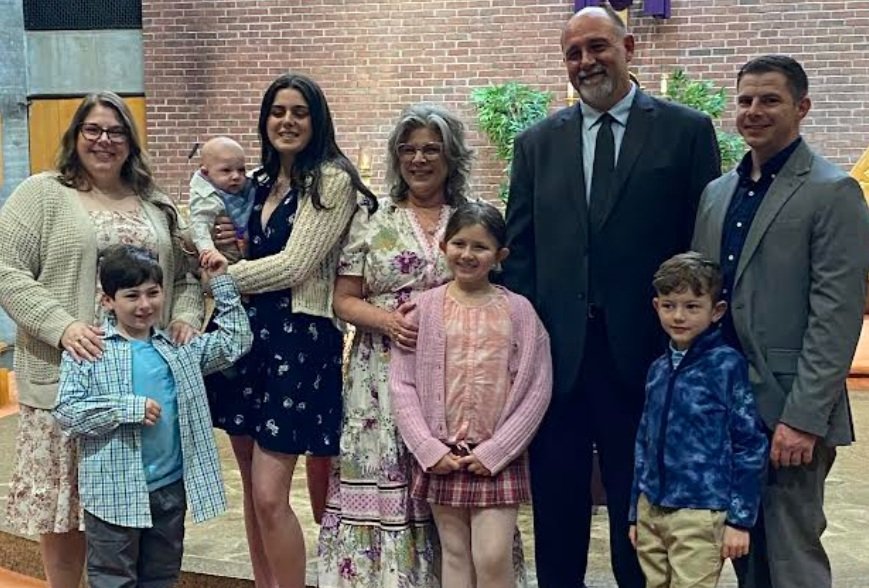
Our family relocated to Cornwall in 2001. We chose this town because it represented what we believed a community should be: tree-lined streets, welcoming neighborhoods, outdoor spaces, good schools, and friendly people. We did not know a single person here when we arrived. That did not take long to change.
As our family grew, we faced a choice many families make: move to a larger house, potentially outside Cornwall, or stay. We chose to renovate and expand our home because by then our family had come to love this town too much to leave.
My father set that example. He volunteered his time to the PTA, the local Community Chest, and other civic organizations. From him, I learned an important lesson: we have a civic duty to contribute to the community we call home.
I began volunteering shortly after moving to Cornwall, eventually became a committee member, and gave my time to the celebration for approximately 15 years.
I volunteered with the Cornwall Cleanup Crew and served on its board. Today, I also serve as a member of the Cornwall Conservation Advisory Council.
I stepped into the volunteer role of Cornwall Tree Warden after the position had been vacant for several years, bringing my professional experience in tree preservation to Town service.
I have served on the board of the New York State Arborists Association ISA Chapter for 10 years and served as president from 2024–2025. I now chair its Legislative and Advocacy Committee.
My legislative and advocacy work brings me to Albany regularly to meet with elected officials. That experience has taught me how advocacy, policy, and government decision-making intersect.
I own and operate a tree-preservation company specializing in invasive-species management. Much of that work involves grant-funded projects, giving me firsthand experience with both the benefits and pitfalls of grant-based funding.
Good local government is not one person imposing a plan. It is elected officials asking hard questions, listening to different viewpoints, proposing alternatives, and working together even when they disagree.
My responsibility would be to bring judgment, independence, preparation, and transparency to the table.
Examine assumptions, demand clarity, and understand the long-term consequences before voting.
Address problems before circumstances eliminate every option except the most expensive one.
Prioritize what the Town needs before what it simply wants, while protecting important services.
Meaningful community participation should continue throughout major decisions—not stop after one survey.
“Angelo, having watched you manage debate and discussion (yes, they are different) and quietly watched you be agreeable and strong during decision making, a skill that left those who did not agree with the final decision still understanding that they were heard, considered, and understood, I have no doubt your skills and understanding of people will benefit Cornwall. I never saw you lack understanding of the issue at hand.”— Wayne C.
My approach starts with realism: there is no magic button for lower taxes, no truly “free” government money, and no substitute for careful planning.
Slow the rate of future increases by scrutinizing every expense, improving efficiency, and making sure taxpayer dollars provide real value.
Keep NYMA an important part of Cornwall, avoid losing the property from the tax rolls, and seek a sustainable future that works for the school, owner, and community.
Protect the natural features that help make Cornwall the community people choose to call home—our tree-lined streets, open spaces, scenic landscapes, waterways, and community character—while balancing conservation with responsible planning.
Pursue outside funding when it helps Cornwall, but evaluate the required match, reimbursement timing, borrowing costs, and long-term obligations before calling any project “free.”
Look beyond the next budget year. Build long-term capital plans, identify vulnerable infrastructure, and phase improvements when possible.
Major decisions deserve more than a single snapshot of public opinion. Residents should be informed and involved throughout the process.
I support pursuing grants when they advance a real Town need. In my professional work, I participate in many grant-funded projects, so I understand both their benefits and their pitfalls. Residents deserve the full financial picture before a project moves forward.
Many awards require Cornwall to contribute local dollars. That local share is part of the project cost and should be planned for from the beginning.
Government grants often reimburse eligible expenses after the Town has already paid them. That can require available cash or short-term financing.
Borrowing interest, operations, maintenance, staffing, utilities, and future replacement costs matter just as much as the headline grant award.
Diversity of thought matters. Easy agreement is not necessarily good government. A responsible Board member should be willing to ask uncomfortable questions without turning disagreement into personal conflict.
“I’ve had the privilege of knowing Angelo for more than 25 years, and throughout that time, I’ve known him to be smart, driven, principled, and deeply dedicated to your family, friends, and the Cornwall community.
What has always impressed me most Angelo’s ability to stand firm in his beliefs while still respecting the voices of those who see things differently. He isn’t afraid to voice his opinion, but you also listen. He understands that disagreement doesn’t have to mean disrespect, and that good leadership requires bringing different perspectives to the same table.
He also doesn’t simply talk the talk. He rolls up his sleeves, gets involved, and does the work, always never losing sight of the bigger responsibility: to serve others and leave our community better than you found it.
That is the kind of leadership I believe Cornwall deserves.”— William R.
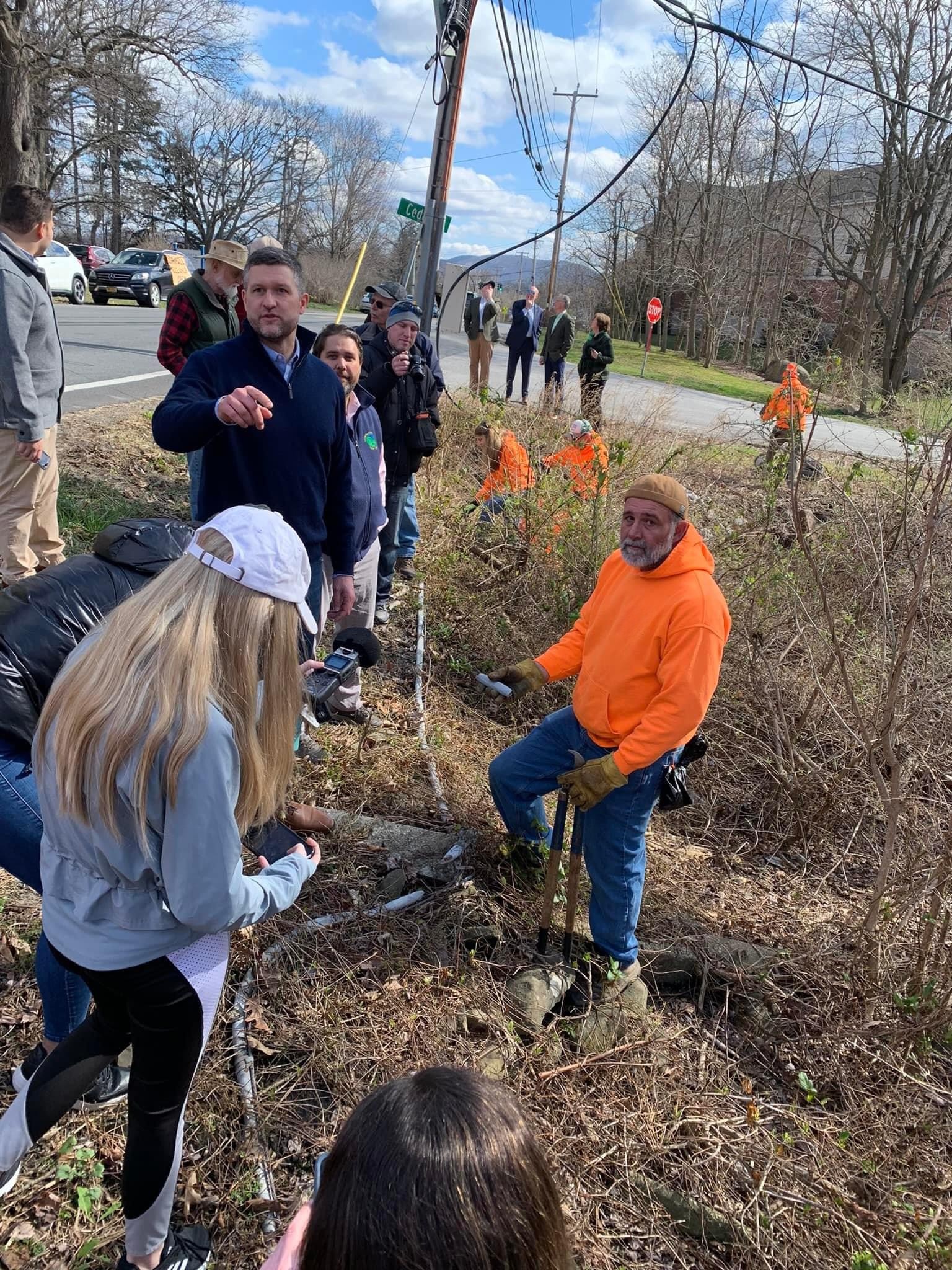
In March 2024, I stood with Congressman Pat Ryan, Supervisor Wojehowski, Councilwoman Michael-Razi, Councilwoman Scott, and other local officials at Cornwall Town Hall over concerns about old lead-covered communications cables. I had contacted Congressman Ryan's office after finding cables on the ground during a Cornwall Cleanup Crew cleanup.
We came from different political parties. Nobody cared. We were there because the issue mattered to Cornwall. Those cables were eventually removed.
I have had the same experience working alongside Assemblymember Chris Eachus planting trees at the Hudson Highlands Nature Museum. We did not start by asking about political labels. We started with something we both believed was good for the community.
I will work with Democrats, Republicans, independents, or anyone else when it benefits Cornwall. And when I believe something is wrong, I will say so regardless of who is doing it.
Repeated flooding should trigger more than emergency response. It should drive infrastructure analysis, drainage planning, grant research, and a long-term capital strategy.
I spent much of the night and the next day helping pump water from neighbors’ basements across Cornwall. The event made the infrastructure problem impossible to ignore.
In my view, the 2021 flooding should have triggered an immediate comprehensive look at vulnerable infrastructure, drainage capacity, improvements, grants, and capital planning.
When the best option has become the only option, something likely went wrong earlier in the planning process. Good planning preserves choices.
I will work with the Supervisor and every Board member—even when we disagree—to find solutions. I want five people thinking for themselves, challenging one another respectfully, listening to the public, and making the best decisions they can for Cornwall.
And before you vote based only on a party label, get to know the candidates. Ask the hard questions. Tell me where you disagree. Then decide based on the person and the approach.